
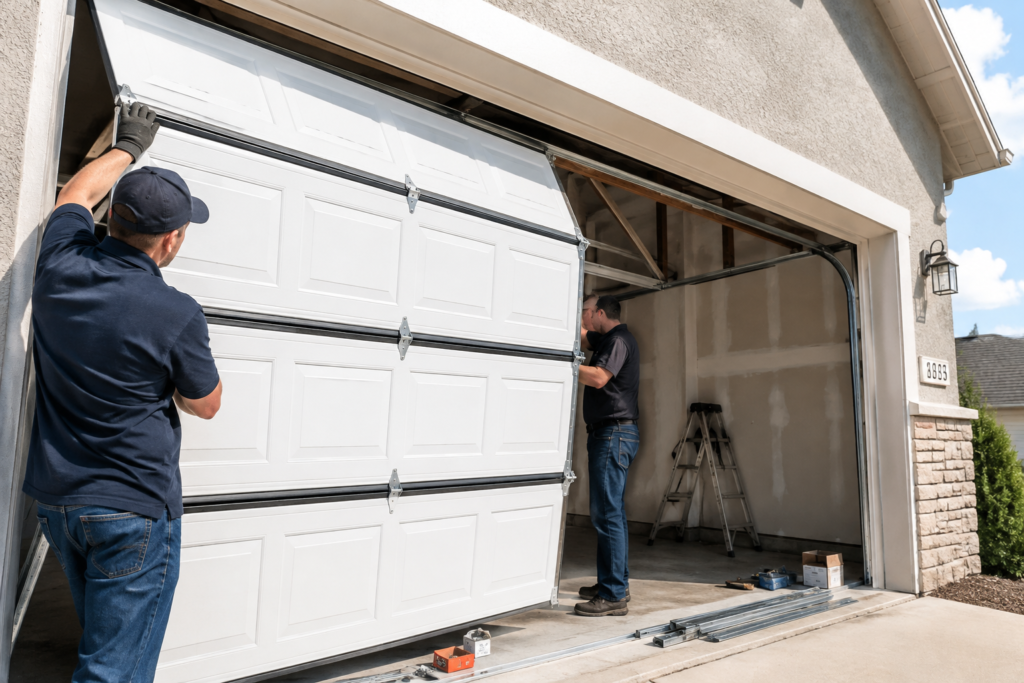
A new garage door can change the appearance of your home and make daily use of the garage much easier. But choosing a door is only the beginning. The size, material, insulation, hardware, opener, and installation method all affect how well the finished system performs.
A proper installation also helps prevent problems such as uneven movement, excessive noise, damaged panels, and premature wear. Whether you are replacing an old door or installing one for the first time, careful planning can save you from expensive problems later.
Understanding Garage Door Installation
Garage door installation involves much more than attaching a few panels to an opening. The installer needs to assemble the sections, position the tracks, install rollers and hinges, connect the spring system, and adjust the door so it moves correctly.
The garage itself also needs to be inspected before work begins. The frame should be strong enough to support the hardware, while the available ceiling and side clearance must accommodate the selected track system.
A professional installer will also check whether the existing opener, brackets, and other hardware can be reused. In some cases, replacing older components at the same time makes more sense than trying to adapt them to a new door.
Choosing the Right Garage Door for Your Home
Garage doors are available in many styles and materials. Steel remains a common choice because it offers durability with relatively low maintenance. Wood provides a traditional appearance but requires more care to keep its finish in good condition.
Insulation is another factor worth considering. If your garage is connected directly to your house, an insulated door may help reduce temperature changes and make the space more comfortable.
Think about the appearance as well. The garage door covers a large part of many home’s front elevations, so its color and design should work with the siding, roof, windows, and entry door.
If you are comparing options with garage door companies near me, ask about the differences between the available materials and construction types. A good installer should explain the practical benefits of each option instead of simply recommending the most expensive model.
Measuring Your Garage Door Opening
Accurate measurements are essential before ordering a new door. Measure the width and height of the opening, then check the space above the opening and along both sides.
Do not assume that an older garage has standard dimensions. Previous renovations or construction methods can create unusual openings that require a specific door size or track configuration.
The condition of the surrounding frame matters too. If the wood or other structural material has deteriorated, it may need to be repaired before the new hardware is installed.
Taking a few extra measurements at the beginning can prevent ordering mistakes and reduce delays once the installation starts.
Preparing for a New Garage Door Installation
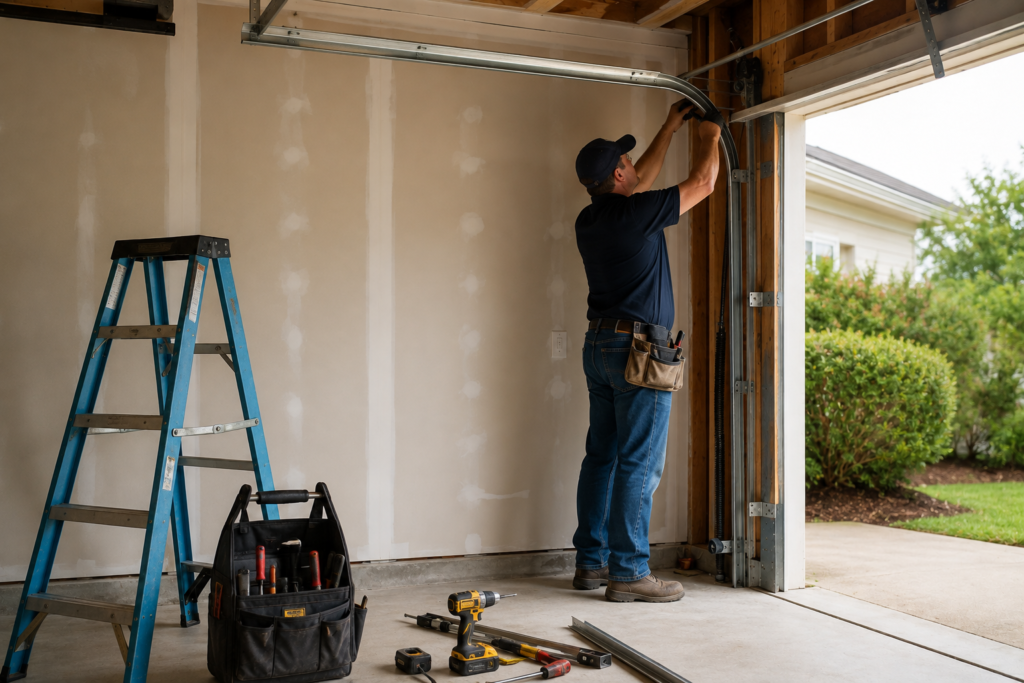
Preparation should begin before the old door is removed. Clear the garage area around the opening so the installer has enough room to work safely.
If an existing door is being replaced, its removal should be handled carefully. Springs, cables, and other components can store considerable energy, so attempting to dismantle them without the appropriate knowledge can create unnecessary risks.
The installer should inspect the frame, tracks, mounting points, electrical connections, and opener. Finding problems at this stage gives you an opportunity to address them before the new door is installed.
The Main Steps of Professional Garage Door Installation
Once the opening has been prepared, the door sections can be assembled. Hinges and rollers are attached to the panels, allowing the sections to move along the tracks.
The tracks must be positioned accurately. Even a small alignment problem can cause the door to rub, shake, or make unusual noises during operation.
The spring system is then installed and adjusted to balance the weight of the door. This part of the job requires particular care because garage door springs operate under significant tension.
After the door is assembled, the opener can be connected. The installer adjusts the travel limits and tests the controls to make sure the door opens and closes properly.
A final inspection should include the safety sensors, manual release, balance, movement, and stopping points.
Choosing the Right Garage Door Opener and Hardware
The opener should be compatible with the size and weight of your garage door. Different drive systems offer different benefits, so your choice may depend on factors such as noise, budget, and how frequently the door is used.
Chain drive openers are widely used and can provide reliable operation. Belt drive models tend to operate more quietly, which can be helpful when bedrooms or living areas are located near the garage.
Other hardware deserves attention as well. Rollers, hinges, brackets, cables, and tracks all contribute to the performance of the system.
When arranging garage door installation, ask whether the quoted service includes the opener, new hardware, safety sensor adjustment, and final testing. Knowing what is included can help you compare estimates accurately.
Common Garage Door Installation Mistakes to Avoid
Choosing a door based only on appearance is one mistake homeowners can make. The door also needs to match the garage opening and work with the available hardware.
Poor track alignment is another common issue. Tracks that are not positioned correctly can create unnecessary friction and cause uneven movement.
Using old hardware without checking its condition can also lead to problems. Some components may work with a new door, but others may be worn or incompatible.
Incorrect spring adjustment can affect the balance of the door. If the door feels unusually heavy, drops quickly, or refuses to stay open, the spring system may need professional attention.
When to Hire a Professional Garage Door Installer
Some homeowners can handle simple maintenance tasks, but complete installation involves several components that need to work together precisely.
A professional can identify structural issues, select compatible hardware, and make the necessary adjustments after installation. This can be especially useful when replacing an older garage door with a newer system.
If your existing door has stopped working properly, you may need garage door service near me instead of a complete replacement. A technician can inspect the system and determine whether the problem involves the springs, opener, tracks, rollers, cables, or another component.
Professional service can also help you avoid replacing a door that could have been repaired at a lower cost.
How to Maintain Your New Garage Door
A newly installed garage door still needs regular care. Keep the tracks free from dirt and debris, and look for visible damage or loose hardware.
Pay attention to changes in sound or movement. Grinding, scraping, shaking, or unusual popping sounds can indicate that a component needs inspection.
Check the safety reversal system periodically according to the manufacturer’s instructions. The safety sensors should also remain properly aligned.
Do not adjust springs or cables yourself unless you have the necessary training and equipment. These components can be dangerous when handled incorrectly.
If the door develops a sudden problem and cannot be opened or closed safely, emergency garage door repair may be necessary. Prompt service can prevent a small mechanical issue from becoming a larger problem.
Final Thoughts
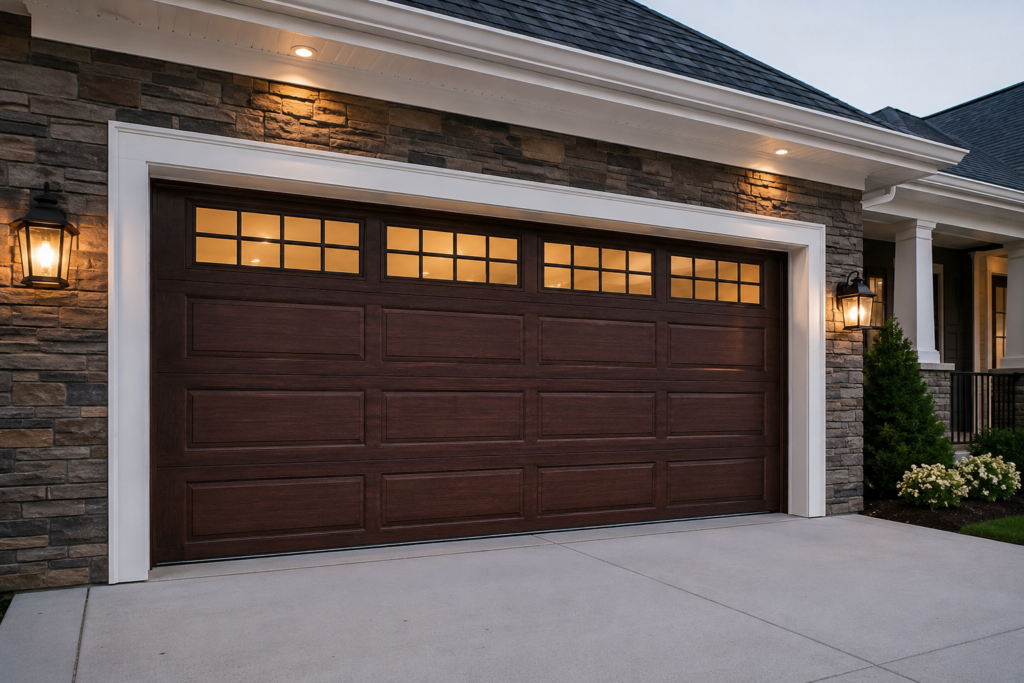
A garage door is used many times throughout the week, so reliable installation matters. The right door should fit your home, match the available space, and work smoothly with compatible hardware.
Before hiring an installer, compare experience, services, materials, warranties, and customer feedback. Do not base your decision on price alone.
A good installation starts with accurate measurements and proper preparation. It continues with careful assembly, correct adjustments, and thorough testing.
With the right planning and professional workmanship, a new garage door can provide dependable operation for years while improving the appearance and functionality of your home.
FAQs
How long does garage door installation take?
A standard garage door installation often takes several hours. The exact time depends on the door size, garage layout, opener, and amount of preparation required.
How do I choose the right garage door?
Consider the door’s material, insulation, style, durability, maintenance needs, and compatibility with your garage opening. Professional advice can help you select a suitable option.
Should I replace my garage door opener with the new door?
Not always. If the existing opener is compatible and in good condition, it may be possible to keep it. An older or incompatible opener may need replacement.
How often should a garage door be maintained?
Inspecting the door at least once or twice a year can help identify worn rollers, loose hardware, alignment problems, and other issues before they become serious.
When should I call a professional garage door technician?
Call a professional if the door becomes difficult to open, makes unusual noises, moves unevenly, gets stuck, or has a problem with its springs, cables, tracks, or opener.