
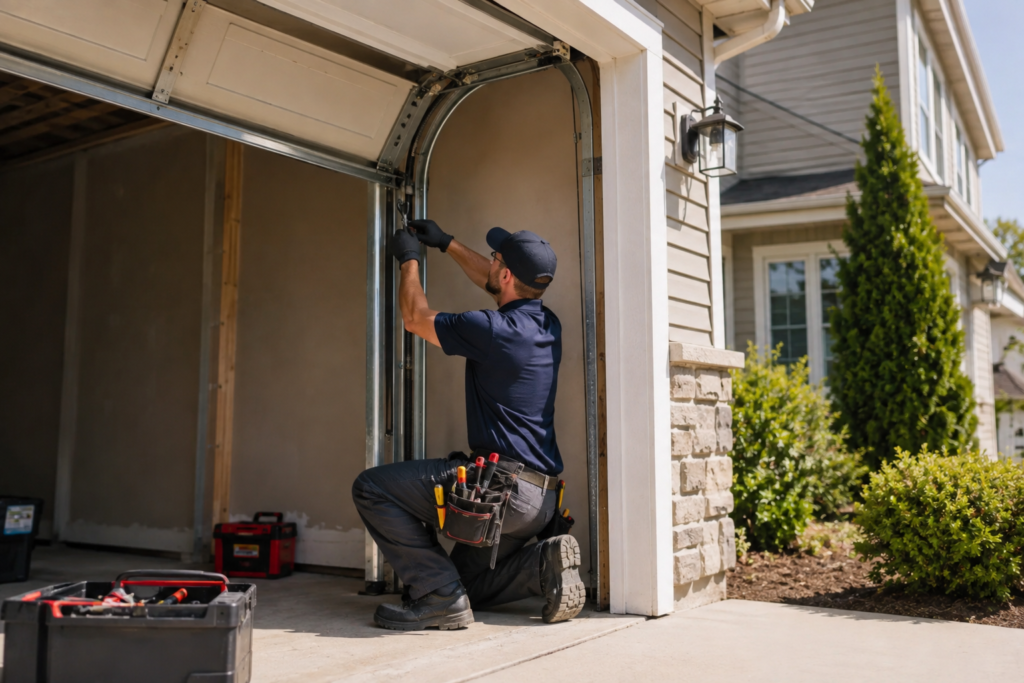
Most people do not think much about their garage door until it stops working. You press the remote, nothing happens, or the door starts making a loud grinding sound halfway up. That is usually when you realize how often you depend on it.
Garage doors go through a lot of use. Opening and closing them every day puts wear on springs, rollers, cables, tracks, and the opener. Some problems develop slowly, while others seem to appear overnight. Knowing what may be causing the issue can help you decide what to do next.
If your door has started acting differently, getting garage door repair Raleig can help you find the problem before it becomes a bigger headache.
Understanding Garage Door Problems in Raleigh
A garage door may look simple from the outside, but several parts have to work together for it to operate properly.
The springs help carry the weight of the door. Rollers guide it along the tracks. Cables help with lifting and lowering, while the opener controls the automatic movement.
When one part begins to wear out, you may notice changes in how the whole door behaves. It might become louder, move more slowly, shake while opening, or stop before reaching the ground.
Raleigh homeowners also deal with changing weather throughout the year. Moisture and temperature changes can affect exposed hardware over time, especially when small maintenance issues are left unattended.
Common Reasons Garage Doors Stop Working
There is no single reason a garage door stops working. The cause can be something minor, or it can involve a component that needs immediate professional attention.
A broken spring is one common problem. You may notice that the door suddenly feels much heavier or will not open with the automatic opener.
Cables can also become loose, frayed, or broken. When that happens, the door may sit unevenly or refuse to move correctly.
Then there are the rollers and tracks. Worn rollers can make a door sound rough or squeaky. A damaged or misaligned track can make the door catch as it moves.
Sometimes the door itself is fine and the opener is the issue. A faulty sensor, worn internal component, dead remote battery, or motor problem can prevent the opener from doing its job.
Signs Your Garage Door Needs Professional Repair
Garage doors tend to give you clues before a major failure. You just have to notice them.
A few signs deserve attention:
- The door makes loud grinding or banging sounds.
- It shakes or moves unevenly.
- It gets stuck halfway open.
- The door suddenly feels much heavier.
- The opener runs, but the door does not move.
- The door starts reversing for no obvious reason.
- You can see a damaged spring or cable.
- The rollers appear worn or damaged.
- The door no longer closes evenly.
One strange sound does not automatically mean you need a new garage door. In many cases, the problem comes down to one worn component. The important thing is to identify the cause instead of continuing to use the door and hoping it goes away.
Common Garage Door Repairs and Their Solutions
The repair depends on what is actually wrong.
Worn rollers can usually be replaced to restore smoother movement. If the tracks have shifted or suffered damage, they may need adjustment or replacement.
Hinges can wear out as well, particularly on doors that get heavy daily use. Replacing damaged hinges can help the panels move correctly again.
Opener problems require a different approach. A technician may check the sensors, motor, wiring, drive system, and remote controls. Sometimes a small adjustment solves the problem. An older opener with repeated failures may need to be replaced.
Spring and cable repairs are different because these components handle significant tension and weight. They are not good candidates for a DIY experiment.
A proper garage door fix should solve the reason the door stopped working rather than simply getting it moving for a short time.
When a Garage Door Fix Is Not Enough
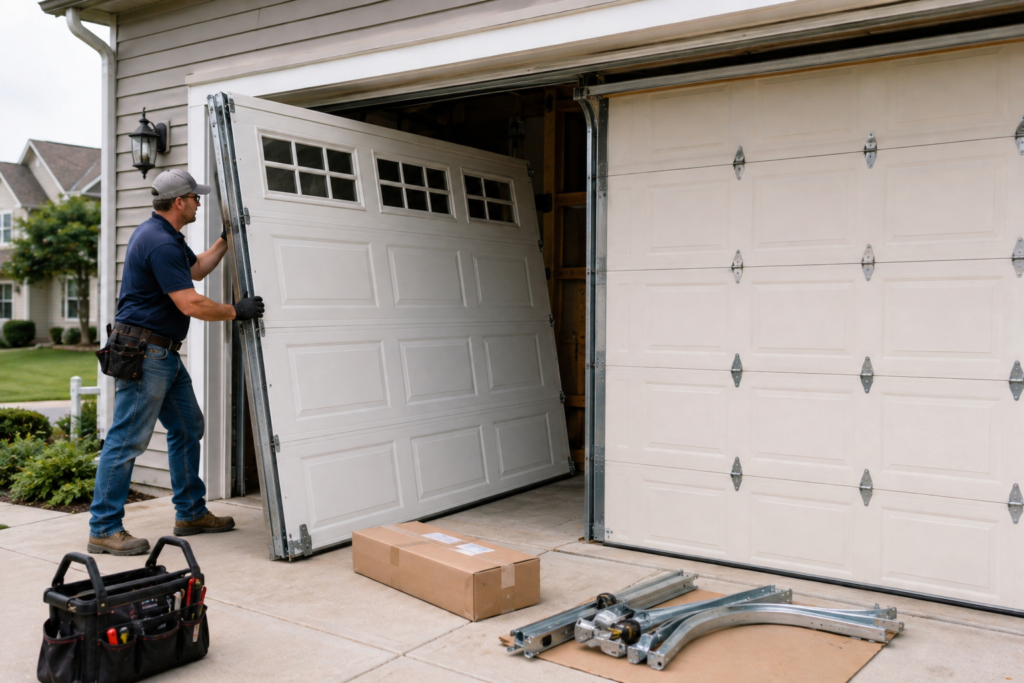
Repairing a garage door is often the sensible choice, but there comes a point when replacement may make more sense.
Think about the overall condition of the door. If it has several damaged components, badly worn panels, extensive rust, or an old opener that keeps failing, putting money into one repair after another may not be the best long-term option.
Age also matters, although an older door does not automatically need replacement. A well-maintained door can continue working for years.
A professional can inspect the system and explain whether the existing door is worth repairing. That gives you a chance to compare the cost of another repair with the cost of installing a newer system.
How Professional Garage Door Companies Handle Repairs
A good repair visit should start with an inspection.
Instead of immediately replacing the first part that looks worn, the technician should look at the entire system. Springs, cables, rollers, tracks, hinges, panels, opener components, and safety sensors can all affect how the door operates.
This is where experienced garage door companies can make a difference. They know how different systems work and can usually narrow down the cause without guessing.
You should also get a clear explanation of the recommended repair. If a part needs replacement, ask why it failed and whether the technician found any related problems.
After the work is completed, the door should be tested several times. The goal is to make sure it moves properly and that the safety features are working as they should.
Why Timely Garage Door Repair Matters
It is tempting to ignore a garage door problem when the door still works. Maybe it makes a strange noise, but it opens. Maybe it takes two tries to close, but it eventually gets there.
That approach can backfire.
A worn roller can put extra strain on the tracks. A struggling opener can work harder than it should. A damaged spring can eventually fail completely.
Getting garage door repairing done when you first notice a problem may save you from dealing with several failed components later.
There is also the safety side of the issue. A garage door is heavy and has several moving parts. If it starts behaving unpredictably, it is better to have the problem checked instead of repeatedly forcing it to operate.
How to Prevent Future Garage Door Problems
You do not need to spend hours maintaining your garage door. A little attention can go a long way.
Listen to the door when it opens and closes. If the sound suddenly changes, take a closer look.
Check the visible hardware from time to time. Look for frayed cables, damaged rollers, loose hinges, or obvious track problems.
Keep the area around the tracks clear. Dirt and debris can interfere with smooth movement.
You can also follow the manufacturer’s recommendations for lubrication and safety checks. Do not use random products on springs or other components without knowing whether they are suitable.
If the door becomes stuck, do not keep forcing the opener. Continuing to press the remote can put more strain on the system.
Choosing the Right Garage Door Repair Service in Raleigh
Choosing a repair company should involve more than finding the cheapest price.
Start by asking what caused the problem. A reliable technician should be able to explain the issue in straightforward terms and tell you what needs to be repaired.
It is also worth asking about the parts being used and whether the repair comes with any warranty. If the problem is urgent, find out how quickly the company can respond.
For example, a garage door that is stuck open can leave your home exposed. A door that will not open can also prevent you from getting your vehicle out when you need it. In situations like these, knowing which local companies offer emergency service can save time.
Look for a company that communicates clearly, arrives prepared, and treats your property with care.
Final Thoughts
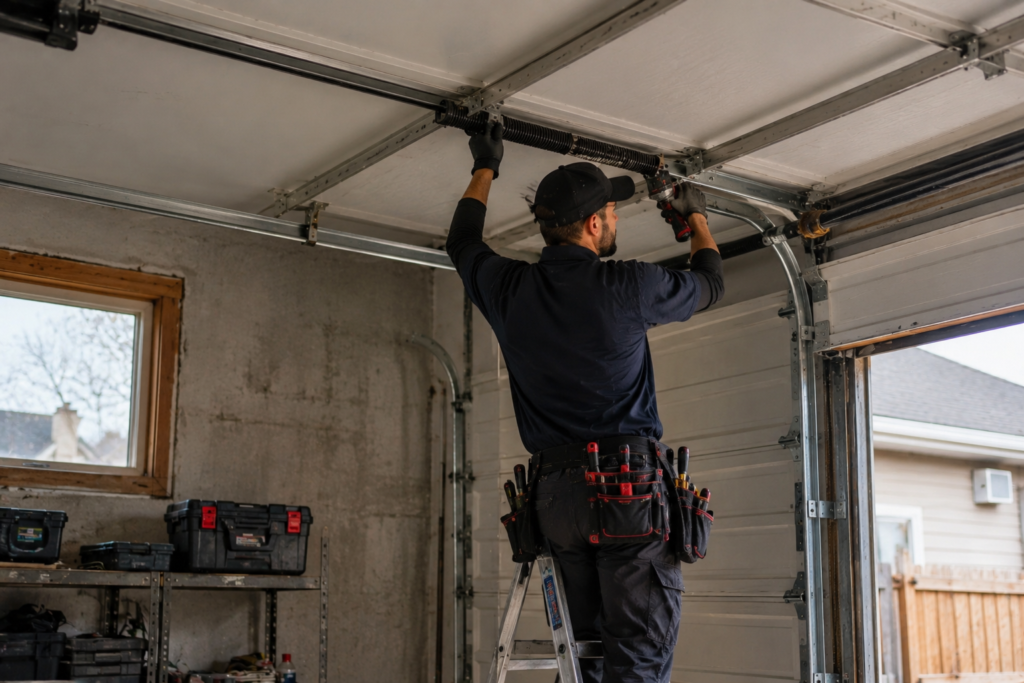
A garage door usually gives you some warning before a serious problem develops. You might hear a new noise, notice uneven movement, or find yourself pressing the remote more than once.
Do not ignore those changes.
A quick inspection can reveal whether the issue is something minor or a sign of a larger mechanical problem. Routine maintenance can also help reduce unnecessary wear and keep the system running more reliably.
When the problem involves springs, cables, or other components under tension, professional help is the safer choice. The right repair can restore smooth operation and help you avoid replacing parts that still have plenty of life left.
FAQs
How often should a garage door be serviced?
A garage door should generally be inspected at least once a year. Regular inspections can catch worn rollers, loose hardware, damaged cables, and other problems before they become more serious.
What are the most common garage door problems?
Common problems include broken springs, worn rollers, damaged cables, misaligned tracks, faulty safety sensors, and garage door opener issues.
Can I fix a garage door myself?
Simple tasks such as replacing remote batteries or clearing debris from the sensor area may be suitable for homeowners. Repairs involving springs, cables, or other high-tension parts should be handled by a trained technician.
When should I call for emergency garage door repair?
Call for emergency service when the door is stuck open or closed, a spring or cable has broken, the door has fallen off its tracks, or the system creates an immediate safety or security concern.
How do I know whether to repair or replace my garage door?
Consider the door’s age, condition, repair history, and the cost of ongoing repairs. If several major components are failing or the door has significant structural damage, replacement may be more practical.