A fireplace can go through an entire winter without causing a problem. The fire starts normally, smoke disappears up the chimney, and everything seems to be working as expected.
That can make chimney cleaning easy to put off.
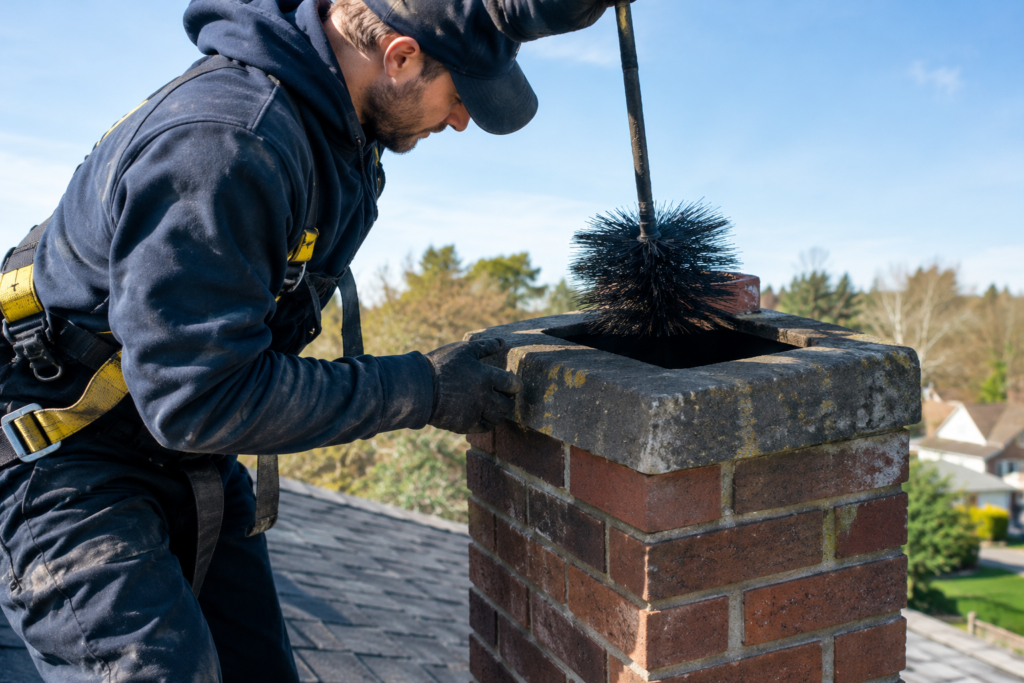
But what happens inside the chimney is different from what you see in the living room. Every wood fire leaves behind some residue. Over time, soot and creosote collect inside the flue. If enough creosote builds up, it can catch fire.
You might not notice anything unusual until the chimney starts giving you trouble. By then, a simple maintenance visit may turn into a more involved job.
What Builds Up Inside Your Chimney?
Burning wood produces smoke, gases, and tiny particles. As the smoke travels through the chimney, some of that material sticks to the inner walls. The resulting deposits can range from loose soot to thick, tar-like creosote.
The amount depends on several things, including the wood you burn, how hot the fire gets, and how often you use the fireplace.
There is another problem homeowners sometimes overlook. A chimney can collect leaves, twigs, and nesting material during the months when the fireplace sits unused.
If you notice smoke coming back into the room or a strong odor near the fireplace, arrange an inspection. These symptoms can have several causes, so guessing at the problem rarely helps.
What Actually Happens During a Chimney Cleaning?
A proper cleaning starts with checking the condition of the chimney. The technician needs to understand how much buildup is present and whether anything is blocking the flue.
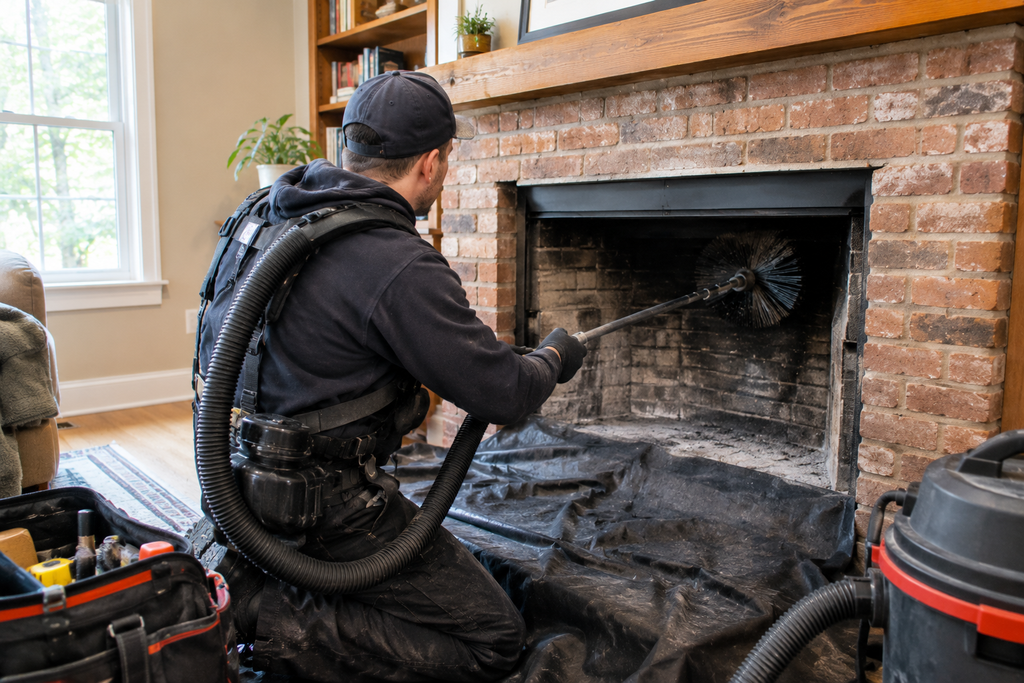
The cleaning itself usually involves specialized brushes and equipment to remove soot and creosote. The technician may also examine accessible parts of the fireplace, damper, and chimney for visible damage.
If you are comparing chimney cleaning services, ask what each appointment includes. Some quotes cover sweeping alone, while others include an inspection. Repairs generally cost extra.
It is worth asking how the technician will protect your room from dust, too. Chimney cleaning can be messy without the right preparation, especially when loose soot falls into the fireplace.
Once the work is finished, ask what the technician found. You should have a clear understanding of whether the chimney is in reasonable condition or needs further attention.
How Do You Choose the Right Company?
Start with companies that serve your area and have experience with your type of fireplace. Read customer reviews, but pay attention to the details rather than the overall star rating alone.
Did the technician explain the problem? Was the quoted price close to the final bill? Did the company leave the work area clean?
You could check Duct Masters to see whether it provides chimney cleaning in your area. Confirm its actual services before arranging a visit.
You can also research Clean Sweep Chimney Service and compare its service details with other local providers.
Neither name should be treated as a recommendation without checking local availability, credentials, and customer feedback. The right choice is a company that clearly explains its work and gives you a written estimate.
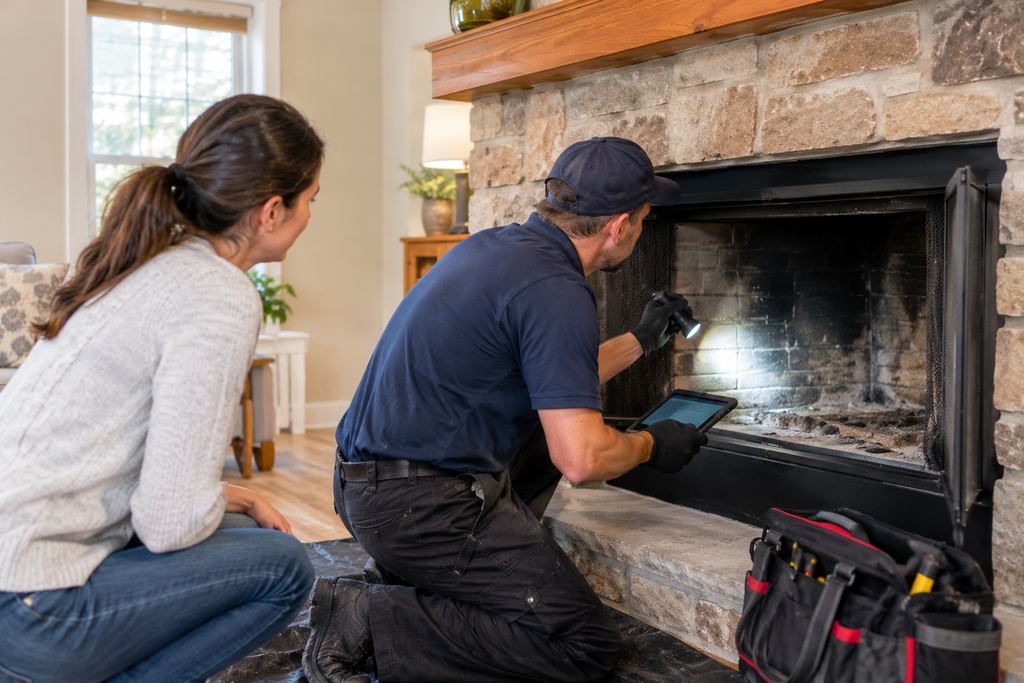
One question worth asking is whether the technician will show you photographs of any problems found inside the chimney. Photos can make it easier to understand why a particular repair is necessary.
What Affects the Price of Chimney Cleaning?
Two homeowners can receive different quotes even when both have fireplaces of a similar size.
One chimney may have light deposits because it receives regular maintenance. Another may have heavy creosote buildup after years of frequent use. The second job can take longer and require more work.
Roof access, chimney height, blockages, and the type of fireplace can also affect the price.
When checking chimney cleaning cost, ask for an itemized quote. Find out whether the price includes an inspection, sweeping, and removal of debris. Ask about additional charges before approving any work.
Be careful with unusually low quotes that do not explain what the service covers. A cheap appointment may not include everything your chimney needs.
At the same time, a high quote does not automatically mean better service. Compare the actual work, the technician’s qualifications, and the condition of your chimney before deciding.
When Should You Schedule a Cleaning?
The National Fire Protection Association recommends annual inspections of chimneys, fireplaces, and vents. The inspection determines whether cleaning or repairs are necessary.
Booking before the colder months can be convenient because you have time to address problems before you start using the fireplace regularly.
If you burn wood several times a week, keep an eye on how the fireplace performs. Changes in airflow, unusual odors, or visible deposits deserve attention. Do not wait for these symptoms to appear before arranging an annual inspection.
You should also use properly seasoned firewood and avoid burning household waste. These habits support good fireplace operation, although they do not eliminate creosote buildup.
A Small Maintenance Job Can Prevent a Bigger Problem
Most people do not think about their chimney until they need it. That is understandable, especially when everything appears to work normally.
Still, a chimney is one part of the house where hidden buildup matters. A professional inspection gives you a clearer picture of its condition and helps you decide what work is actually necessary.
If your fireplace has not been checked in the past year, contact a qualified local chimney professional. Ask for an inspection, discuss the cleaning required, and get the price in writing before work begins.
You will know more about the condition of your chimney, what needs attention, and what you can leave alone for now.
FAQs
How often should a chimney be cleaned?
Chimneys should be inspected at least once a year. Cleaning depends on how often you use your fireplace and how much soot or creosote has accumulated.
What are the signs that a chimney needs cleaning?
Common signs include smoke entering the room, strong smoky odors, visible soot deposits, poor airflow, and debris inside the chimney. An inspection can identify problems you cannot see.
How much does chimney cleaning cost?
The cost depends on the chimney’s condition, height, accessibility, and the amount of buildup. Ask local providers for a written estimate that explains what the service includes.
Can I clean my chimney myself?
You can remove ashes from your fireplace, but cleaning the full chimney requires suitable equipment and knowledge of chimney safety. A qualified professional can inspect the flue and remove hazardous creosote buildup.
How long does professional chimney cleaning take?
A routine cleaning often takes around 45 minutes to two hours. The time can vary depending on the chimney’s condition, accessibility, and whether the technician discovers additional problems.