
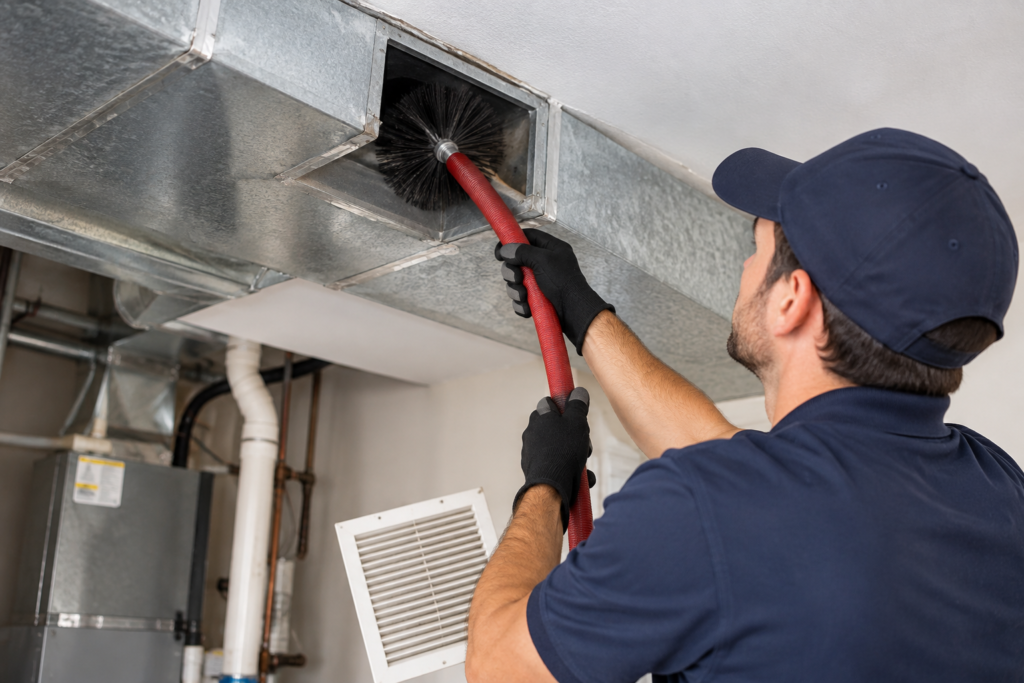
When your heating or cooling system starts struggling, the first thing you may blame is the HVAC unit itself. Sometimes, however, the problem begins somewhere less obvious. Your HVAC ducts can collect dust, pet hair, construction debris, and other particles over time. When enough material builds up, it can affect how easily air moves through the system.
This does not mean every dusty duct needs immediate cleaning. The condition of the ductwork, the age of the system, indoor conditions, and how much the HVAC system is used all matter. Still, knowing how dirty ducts can affect performance can help you recognize a problem before it becomes a bigger inconvenience.
Why Clean HVAC Ducts Matter for Your Heating and Cooling System
Your ductwork carries conditioned air from the HVAC equipment to different rooms throughout your home. When the pathways are reasonably clear, air can move with less resistance.
Heavy buildup can change that. Dust and debris may collect around vents, registers, bends, and other areas where airflow slows down. If there is enough accumulation, the system may have to work harder to move the same amount of air.
You might notice that some rooms feel comfortable while others stay too warm or too cold. In other cases, airflow from certain vents may feel weaker than it used to. If these problems continue despite regular filter changes and basic maintenance, professional hvac cleaning services can help identify whether buildup inside the ductwork is contributing to the issue.
The ducts are only one part of the system, of course. Filters, blower components, dampers, insulation, and the HVAC equipment itself can also affect performance.
How Dust and Debris Build Up Inside HVAC Ducts
Ductwork does not usually become dirty overnight. Buildup happens gradually as air moves through the system.
Dust can enter through return air pathways, especially when filters are old, damaged, poorly fitted, or not changed regularly. Homes with pets may also have more hair and dander circulating through the system.
Renovation work can create another problem. Fine drywall dust, sawdust, and other construction particles can enter ductwork if the system is running while work is taking place.
Moisture can make the situation more complicated. Damp areas inside or around ductwork may create conditions where biological growth can develop.
That is why there is no single cleaning schedule that works for every home. The actual condition of the ducts matters more than simply following a fixed calendar.
Restricted Airflow and Uneven Temperatures
One of the most noticeable signs of an airflow problem is a difference in temperature between rooms.
You may set the thermostat to a comfortable temperature, yet one bedroom remains warm while another room feels noticeably cooler. Weak airflow from individual vents can also be a clue.
Dirty ducts can contribute to these issues when buildup restricts the passage of air. However, there can be other causes as well. Closed dampers, blocked vents, duct leaks, poor insulation, and an improperly sized HVAC system can produce similar symptoms.
If you keep adjusting the thermostat without getting consistent comfort, it is worth having the entire system checked rather than assuming the thermostat is the problem.
How Dirty Ducts Can Make Your HVAC Work Harder
Your HVAC system needs to move a certain amount of air to heat or cool your home effectively.
When airflow becomes restricted, the system may run longer to reach the temperature selected on the thermostat. Longer operating cycles can mean more energy use and greater wear on components.
Think about a system that normally reaches the desired temperature within a reasonable cycle. If airflow problems cause it to keep running for much longer, the equipment is doing more work to achieve the same result.
That does not mean duct cleaning will automatically lower your energy bills. If the main problem is an aging furnace, faulty blower, refrigerant issue, or poor insulation, cleaning the ducts will not solve it.
A proper HVAC assessment should identify the actual cause before you pay for unnecessary work.
Effects on Heating and Cooling Efficiency

Efficient heating and cooling depends on several parts working together.
The equipment produces conditioned air. The blower moves it. The duct system carries it through the home. Vents release it into individual rooms. If one part of this process has a problem, the overall performance can suffer.
Dirty HVAC ducts may contribute to reduced airflow, especially when buildup is significant. This can make it harder for the system to distribute conditioned air evenly.
In some homes, the issue may be more obvious during extreme weather. Your system may run frequently during a hot summer afternoon or a very cold winter night. If airflow is already poor, the difference can become easier to notice.
Regular filter changes and basic HVAC maintenance should come first. Professional duct cleaning may make sense when there is clear evidence that the ductwork itself needs attention.
Signs Your HVAC Ducts May Need Cleaning
There are several things worth watching for around your HVAC system.
Dust blowing from vents shortly after cleaning the room can be a reason to investigate. So can visible buildup around registers or unusual debris inside the duct openings.
Other signs include persistent musty odors, unexplained airflow problems, and evidence of pests inside the ductwork.
You should also consider the history of the home. If the house recently underwent major renovation, a significant amount of dust may have entered the duct system.
None of these signs automatically proves that the ducts need cleaning. They simply give you a reason to have the system inspected.
A professional can look at the condition of the ductwork and help determine whether cleaning is actually appropriate.
When to Consider Professional HVAC Air Duct Cleaning
Professional HVAC air duct cleaning can be useful when there is substantial debris inside the ductwork or when a specific issue has been identified.
For example, cleaning may be worth considering after major construction, a pest problem, or significant contamination inside the ducts.
Before scheduling the service, ask the company to explain what they found and why cleaning is recommended. You should also ask which parts of the system they plan to clean.
If you search for an hvac cleaning service near me, compare companies based on their experience, equipment, reviews, and explanation of the work. Avoid choosing a service simply because it offers the lowest advertised price.
A reputable company should be able to tell you what the service includes and whether there are additional charges.
How Regular Duct Maintenance Can Help Your System Perform Better
Duct cleaning is only one part of HVAC maintenance.
Start with the basics. Replace or clean your air filter according to the manufacturer’s recommendations. Keep supply and return vents clear of furniture, rugs, and other objects. Make sure outdoor HVAC equipment has adequate space around it.
Pay attention to changes in airflow and temperature. If something suddenly feels different, have the system checked instead of waiting until the problem becomes severe.
It is also useful to have professional HVAC maintenance performed as recommended for your equipment. A technician can check components that you cannot easily inspect yourself.
Clean HVAC ducts can support good airflow, but the entire system needs to work properly for your home to stay comfortable.
Final Thoughts
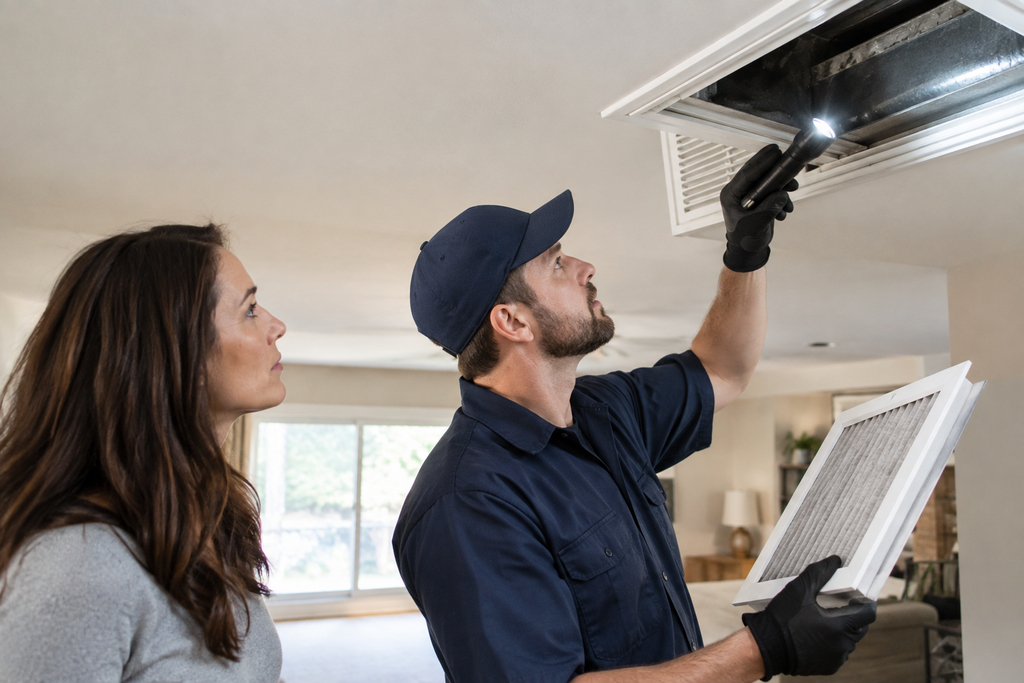
Dirty HVAC ducts can contribute to airflow problems and uneven heating or cooling, particularly when there is a significant amount of debris inside the system. But ductwork should not automatically be blamed for every HVAC problem.
If rooms are becoming harder to heat or cool, start by checking simple issues such as the air filter and blocked vents. If the problem continues, have the HVAC system and ductwork inspected.
The right solution depends on what is actually happening inside your system. Sometimes a thorough cleaning is appropriate. Other times, the real issue may be a leak, insulation problem, equipment fault, or another part of the HVAC system.
FAQs
How do I know if my HVAC ducts are dirty?
Weak airflow, visible dust around vents, unusual odors, and debris coming from registers can indicate that your ductwork needs attention. These signs can also have other causes, so an inspection can help identify the actual problem.
Can dirty HVAC ducts affect heating and cooling?
Yes. Heavy dust and debris can restrict airflow and make it harder for conditioned air to move through your home. This may contribute to uneven temperatures and longer HVAC operating cycles.
How often should HVAC ducts be cleaned?
There is no fixed schedule that applies to every home. The need depends on factors such as the condition of the ductwork, pets, renovations, moisture problems, and the amount of debris inside the system.
Does HVAC air duct cleaning lower energy bills?
It can help when significant buildup is restricting airflow, but cleaning does not automatically reduce energy costs. Problems such as poor insulation, duct leaks, or an inefficient HVAC unit may be responsible for high energy use.
How do I choose an HVAC cleaning service near me?
Compare local companies based on their experience, reviews, equipment, pricing, and the services included. Ask the company to explain why cleaning is needed and exactly which parts of the HVAC system they will clean.